Doodle Bunny: A Handwritten Font for Crafters and Makers
I was sitting at my worktable, a stack of kraft paper tags in front of me, trying to decide what kind of lettering would work for a batch of handmade lavender sachets. The labels needed something warm, playful, and personal—not too rigid, not too formal. That’s when I opened Doodle Bunny for the first time. The moment I typed a sample name onto the tag template, I knew this was the font I had been looking for. Its loose, handwritten charm felt like it had been drawn just for that little package of dried flowers.
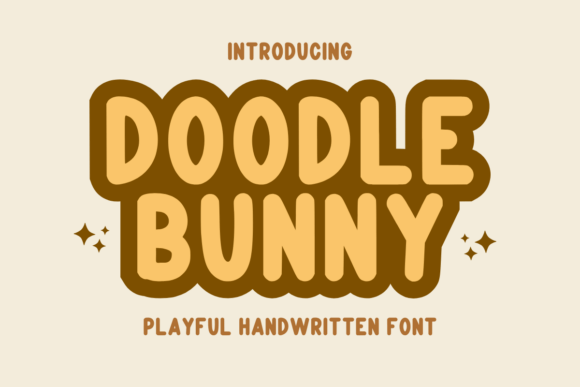
Doodle Bunny is a playful handwritten font that brings a sense of handcrafted care to any project. Its letters have a slightly uneven, sketch-like quality that makes every word feel personal, as if you wrote it yourself with a favorite pen. The strokes are soft but confident, with rounded edges and a friendly bounce that keeps the overall look light and approachable. It is not overly polished, and that is exactly what makes it so appealing for handmade products. In a world of perfect digital typefaces, Doodle Bunny stands out because it feels human.
Made for Real Products, Not Just Screen Previews
When I first tested Doodle Bunny, I was planning a small run of greeting cards for a local market. I wanted the text on the front to feel like a note from a friend. I typed a short phrase, printed a sample, and held it up next to a watercolor bloom I had painted. The match was immediate. The font’s casual rhythm complemented the organic edges of the painting, and the whole card suddenly felt cohesive. That is the kind of effect Doodle Bunny can have on physical products. It does not fight your handmade elements; it joins them.
Since then, I have used Doodle Bunny for candle labels, and it performed beautifully. The font’s open letterforms and generous spacing kept the scent names legible even on small 2-inch round labels. I tested it on a soy candle labeled “Lavender Rain,” and the soft, handwritten look made the product feel artisanal and thoughtful. Customers responded to that detail even if they could not name why. The font contributed to the overall perception of quality and care.
Where Doodle Bunny Shines in Your Product Line
Doodle Bunny works especially well for short phrases, names, titles, and decorative wording. It is a display font by nature, meaning it draws attention and sets a mood without needing a lot of extra embellishment. Here are a few areas where I have seen it excel in real product applications:
- Product labels and packaging tags: Whether you are making bath salts, honey jars, or seed packets, Doodle Bunny adds a handcrafted feel instantly.
- Greeting cards and notecards: Short messages like “hello,” “thank you,” or “you are my sunshine” feel warm and personal.
- Planner pages and printable stickers: The font works wonderfully for section headers, day labels, and decorative accents in digital and physical planners.
- Boutique clothing tags: A small tag with your shop name in Doodle Bunny looks charming and approachable.
- Signage for markets and shops: Farmhouse-style signs, chalkboard-style prints, and welcome boards all benefit from its friendly strokes.
- Mugs, shirts, and tote bags: When used with a clean layout, Doodle Bunny transfers well onto fabric and ceramic surfaces.
I have also seen it used effectively in wedding stationery. Save-the-date cards with the couple’s names in Doodle Bunny feel intimate and modern at the same time. It pairs beautifully with a simple serif font for the details, creating contrast without confusion.
Readability and Real-World Performance
One concern I always have with handwritten fonts is how they will perform when cut, printed small, or used on textured surfaces. Doodle Bunny holds up well. Its letterforms are distinct enough that small sticker text remains readable, and the font does not collapse into a messy scribble when reduced. I tested it on a 1.5-inch sticker sheet for a set of pantry labels, and each word was clear at first glance. The slight irregularity in the strokes actually helps disguise minor alignment shifts that can happen during cutting or transfer.
For Cricut and Silhouette users, Doodle Bunny cuts cleanly when set to an appropriate size. I recommend using it at a minimum of 0.5 inches for vinyl lettering on mugs or signs, and slightly larger for fabric transfers. The font’s consistent stroke width helps the blade track evenly, reducing the chance of lifted letters during weeding.
Pairing Doodle Bunny with Other Typefaces
A strong font pairing can elevate your entire design. Doodle Bunny is naturally casual, so it benefits from contrast with cleaner, more structured fonts. I have had good results pairing it with a clean sans serif font for body text on printable wall art and product descriptions. A simple sans serif like a classic geometric or humanist style keeps the layout balanced and easy to read, while Doodle Bunny provides the personality.
For a more traditional look, a simple serif font in a light weight works well for invitations and stationery. The serif adds a touch of formality, and Doodle Bunny brings the heartfelt tone. You can also pair it with another handwritten font if you vary the size and weight enough, but I find that one handwritten element per design usually keeps the visual harmony intact.
A bold display font can also work as a companion for Doodle Bunny when you need a strong headline. Let Doodle Bunny carry the main message, and use a heavier, all-caps font for short accent words like “love” or “joy” in seasonal designs.
Practical Considerations Before You Sell
Before you start selling products that feature Doodle Bunny, it is essential to check the included styles and the commercial license. The font comes with a set of alternates, ligatures, and swashes that expand your creative options. These extras let you customize the look further, giving you flexibility for different projects. Make sure your design software supports OpenType features so you can access all the alternates easily.
File formats matter too. Doodle Bunny is available in common formats that work with both Mac and Windows systems, and it supports multilingual characters, which is helpful if you design for a broad audience. Review the licensing terms carefully. Some fonts require an extended license for certain commercial uses, such as selling digital templates or printables where the font is embedded. If you plan to sell physical merchandise like mugs, shirts, tote bags, or signs, confirm that the standard commercial license covers those applications. For SVG-style designs, cutting files, or digital downloads that include the font outlines, you may need a separate license.
I also recommend testing the font in your actual production workflow before committing to a large run. Print a sample label, cut a test sticker, or apply vinyl to a practice surface. Seeing the font in your real materials will tell you more than any screen preview. Check how it reads on different paper stocks, how it adheres to curved surfaces, and how it looks in natural light. These small tests have saved me from surprises more than once.
Seasonal and Everyday Applications
Doodle Bunny adapts well to seasonal craft designs. For autumn, it works on tags for pumpkin spice candles and thank-you cards for Thanksgiving. In winter, it is perfect for holiday gift labels and cozy printable wall art. Spring and summer projects like garden markers, birthday banners, and picnic invitation cards all benefit from its light, cheerful energy. Because the font does not lean too heavily into any one theme, it remains useful year-round for your shop.
I have used Doodle Bunny on digital templates for social media graphics as well. A simple quote over a photo, set in Doodle Bunny, looks authentic and relatable. It helps your brand feel approachable without sacrificing visual appeal. For product listings, using the font in your mockup titles or branding reinforces a consistent look across your shop.
Whether you are designing for physical products, digital printables, or shop branding, Doodle Bunny brings a genuine handmade quality that customers notice. It is a creative font that supports your craft without overpowering it. From the first test print to the final packaged product, it feels like a natural extension of your own hand. That is the kind of tool every maker needs in their design folder.