Dream Plan Font: Why Your Small Business Needs This Playful Script
If you run a small business, every visual detail matters. Your logo, your product labels, your social media posts, and even your pricing cards all send a message about who you are and what customers can expect. That is why choosing the right font is one of the most important design decisions you will make as a business owner. Dream Plan is a sweet and playful handwritten font that can bring warmth and personality to your brand materials without sacrificing professionalism. Whether you sell handmade candles, run a cozy café, or offer coaching services, this script font gives you an approachable, human touch that customers naturally trust.
What Makes Dream Plan a Standout Choice for Your Brand
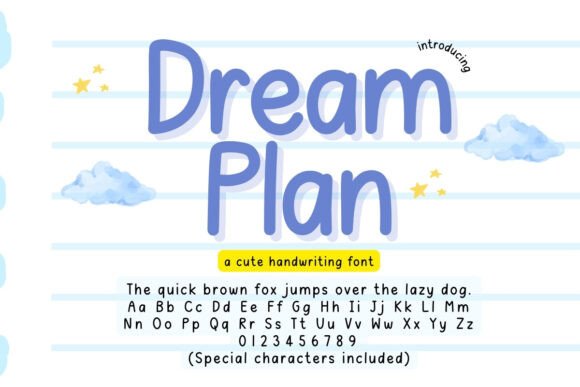
Dream Plan belongs to the Script Amp category of Fonts, and its style immediately tells a story. The letterforms are soft, rounded, and slightly whimsical. They feel like something written by hand with care, not rushed or mechanical. This handwritten font carries a friendly, optimistic mood that suits businesses aiming to connect with customers on an emotional level. It does not look stiff or corporate. Instead, it feels personal, which is exactly what many small brands need to stand out in a crowded marketplace.
The visual appeal of Dream Plan lies in its balance between playfulness and readability. Each character has enough variation to feel organic, yet the overall consistency keeps your materials looking polished. This makes it a reliable display font for headlines, logos, and accent text where you want to capture attention without confusing the reader.
Real Business Applications for Dream Plan
Small business owners wear many hats, and the same font should work across multiple touchpoints. Dream Plan is versatile enough to appear on everything from a bakery logo to a boutique Instagram post. Below are practical ways you can use this creative font in your daily operations.
Product Labels and Packaging Design
If you sell physical products, your packaging is your first handshake with a customer. A handwritten label using Dream Plan can make a candle, bath bomb, or jar of jam feel artisanal and handmade. The font adds a layer of warmth that standard sans serif font options rarely achieve. For example, a small-batch soap maker could use Dream Plan for the product name on the front label, then switch to a clean sans serif font for ingredient lists on the back. This combo keeps the design approachable while remaining easy to read.
Business Cards and Thank-You Cards
Business cards are still a vital networking tool, and Dream Plan works beautifully for your name, tagline, or a short message like "Thanks for stopping by." Because the font feels personal, it makes a stronger impression than a generic typeface. Pair it with a simple, clean layout so your contact information stays clear. Thank-you cards included with every order also benefit from this font. A handwritten-style message using Dream Plan reinforces the idea that a real person made the product, not a faceless corporation.
Logos and Brand Identity
Many small businesses use a script font as the centerpiece of their logo. Dream Plan works well for a standalone wordmark, especially if your business name is short. A boutique florist, for instance, could place the shop name in Dream Plan above a simple botanical icon. The playful nature of the font suits creative fields like event planning, children's products, beauty, and home decor. Just be sure to test your logo at different sizes, because fine script details can get lost when scaled down too small.
Social Media Graphics and Digital Ads
Your Instagram posts, Pinterest pins, and Facebook ads need to stop the scroll. Dream Plan works well as a headline font in social media graphics because it feels inviting and current. Use it for quotes, promotions, or product announcements. For digital ads, keep the text short and let the font do the heavy lifting. A café owner could write "Fresh pastries daily" in Dream Plan over a photo of croissants, and the message instantly feels warm and authentic. Pairing this handwritten font with a neutral serif font for body text creates a balanced, professional look that still feels personal.
Menus, Flyers, and Printables
If you run a café, bakery, or service-based business, menus and flyers are everyday essentials. Dream Plan works well for section headers like "Coffee" or "Specials" on a menu board or printed menu. It adds a handcrafted feel that aligns with farm-to-table or artisan branding. For flyers announcing a workshop or sale, use Dream Plan for the main headline, then a clean sans serif font for details like date, time, and location. This approach keeps the design organized while still expressing personality.
How the Right Font Builds Professionalism and Trust
Customers judge your brand quickly. A consistent visual identity signals that you are reliable and detail-oriented. When you use Dream Plan across your website banner, product packaging, and social media templates, you create a cohesive experience that builds recognition. Over time, customers will associate that playful, friendly lettering with your business. That is the kind of modern typography strategy that helps small companies look larger and more established than they actually are.
Professionalism does not mean being boring. A well-chosen premium font like Dream Plan shows that you invested in your brand identity. It communicates that you care about details, which gives customers confidence in your products or services. Whether you are designing packaging design for a new product line or refreshing your web design, the right typeface makes a measurable difference in how people perceive your business.
Readability in Real Business Settings
One concern business owners often raise about script fonts is readability. Dream Plan is designed with clear letterforms, but you still need to use it wisely. On small product labels or mobile screens, use it sparingly. Reserve the font for headlines, your business name, or short accent phrases. For body text, especially ingredient lists, pricing, or contact details, pair Dream Plan with a highly readable sans serif font or a classic serif font. This way, you keep the playful personality without sacrificing legibility.
Test your materials in the actual environment where customers will see them. Print a label at actual size and stick it on your product. View your website on a phone. Check how your social media graphic looks as a thumbnail on Instagram. If Dream Plan feels too playful for a particular application, use it as an accent instead of the main text. Flexibility is key to maintaining both style and function.
Test Before You Commit Across Your Brand
Before rolling out Dream Plan across every customer-facing material, test it in a few key places first. Create a mockup of your logo, a product label, and one social media post. Share them with a few trusted customers or friends and ask what feeling the font gives them. Does it match the tone of your business? Does it feel trustworthy? Testing helps you confirm that the font aligns with your brand personality before you invest time and money in printing or digital design.
Consider how Dream Plan works in black and white versus color. It looks warm and friendly in dark charcoal on a cream background, but you can also experiment with pastel colors or metallic gold for a more elevated feel. The font adapts well to different color palettes, which gives you creative freedom as your brand evolves.
Simple Font Pairing Ideas for Dream Plan
Pairing a decorative script font with a simpler counterpart helps maintain readability and visual hierarchy. Here are a few combinations that work well with Dream Plan:
- Pair Dream Plan with a clean sans serif font like Montserrat or Open Sans for body text and labels.
- Combine Dream Plan with a classic serif font like Lora or Playfair Display for a more elegant, editorial feel.
- Use Dream Plan only for short display text, then rely on a neutral typeface for everything else to keep the design balanced.
The goal is to let Dream Plan shine as the personality driver while another font handles the heavy lifting of long-form content. This pairing strategy is common in professional logo design and packaging design because it creates contrast without confusion.
Check Commercial Licensing Before You Launch
Before you use Dream Plan on products, packaging, templates, client work, or digital downloads, review the commercial licensing terms carefully. Many creative fonts restrict how they can be used in for-profit projects. Some require an extended license for merchandise or digital goods. As a business owner, you need to ensure you are legally covered to avoid complications later. Licensed Fonts from the Script Amp category often come with clear guidelines, so read the EULA and confirm that your intended use is allowed. This step protects your business and respects the work of the font designer.
Using a properly licensed commercial font also protects your brand identity. Once you build recognition around Dream Plan, you do not want to face legal issues that force you to change your logo or packaging. Invest in the right license upfront and keep records of your purchase for future reference.
As a small business owner, you already know that the details separate a memorable brand from one that gets overlooked. Dream Plan offers a sweet, playful, and professional handwritten font option that works across physical and digital touchpoints. Whether you are designing a new logo, refreshing your product labels, or creating engaging social media graphics, this display font gives your brand a personal, trustworthy voice. Test it, pair it wisely, and use it consistently, and your customers will recognize your business as one that truly cares about how it shows up.